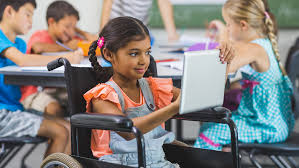
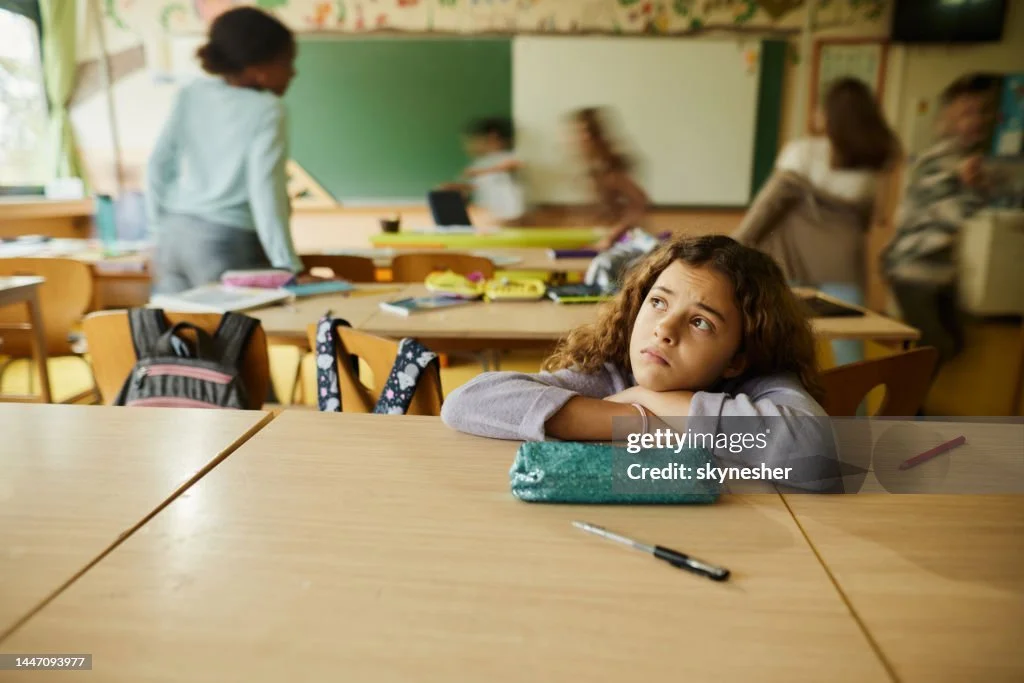
In E-learning, not everyone has the same chance to succeed. Some groups of students can get left behind, especially those in remote and rural communities, students with special needs, low-income families, and those who speak a different language at home.
Students in remote areas may not have strong internet or the right devices to learn online. Those with special needs might not get the support or tools they need, like screen readers or one-on-one help. Low-income families may struggle to afford computers or Wi-Fi, making it hard for children to join online classes. Students from different language backgrounds may find it difficult to understand lessons if the content isn't available in their first language or if there is no extra language support.
Schools need to consider these barriers to make E-learning more inclusive and fair. They can provide devices and internet access, offer learning in more than one language, and give extra help to students who need it. Everyone deserves a chance to learn, no matter where they live or their challenges.