
Inclusive Design with UDL
Designing for All: Using UDL
Educators should apply Universal Design for Learning (UDL) framework developed by CAST promotes designing learning environments for all students rather than making modifications and barriers arise also ensuring that equity and inclusion should be added in the foundation of digital learning.
-
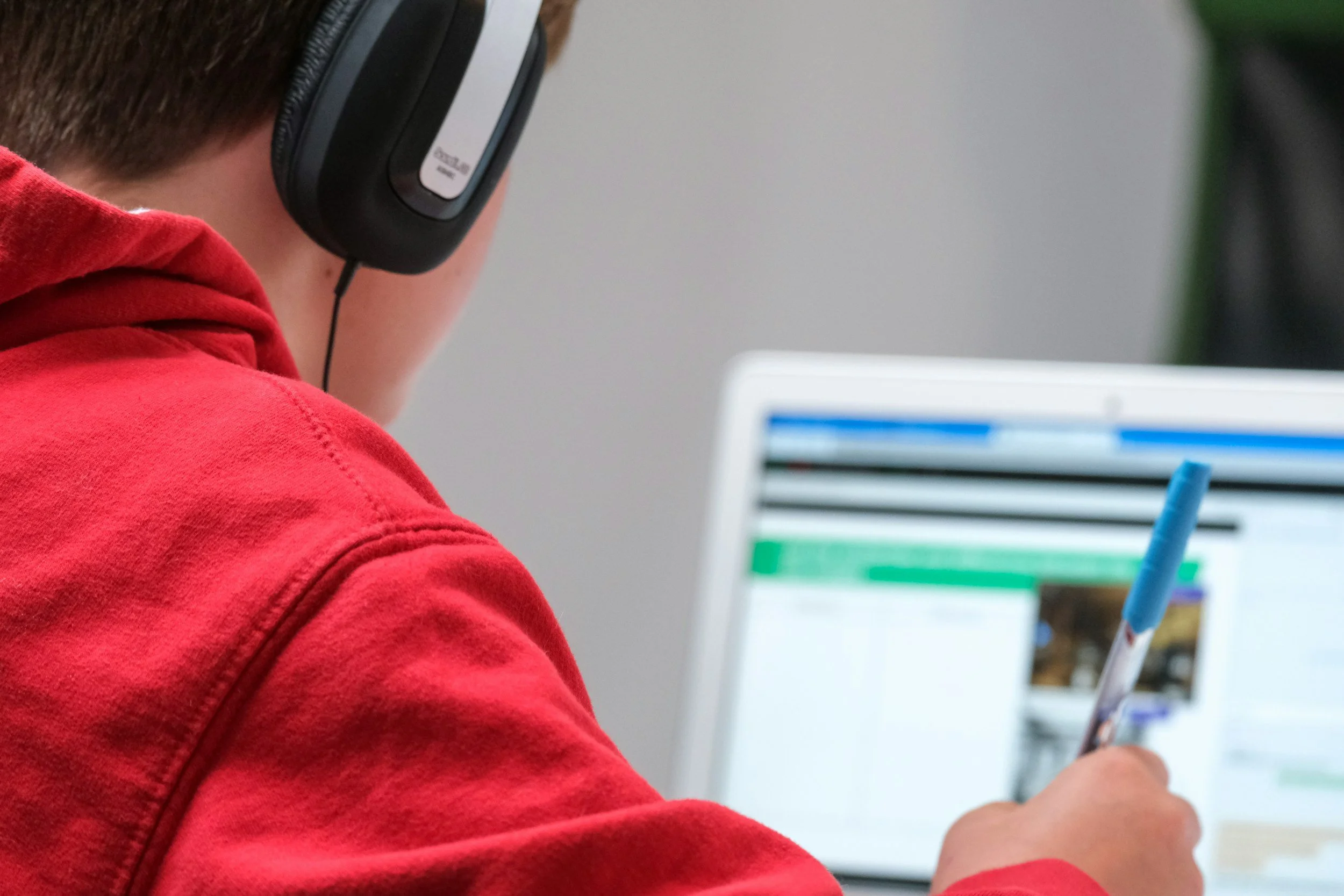
Multiple Means of Representation
Learners would use this inclusive platform to showcase their information. Using variety of formats and features such as audio, videos, visuals, screen reading compatability, close captions and alt to text to images to support accessibility. By providing content, educators can remove these barriers to create more inclusive digital learning environments.
-
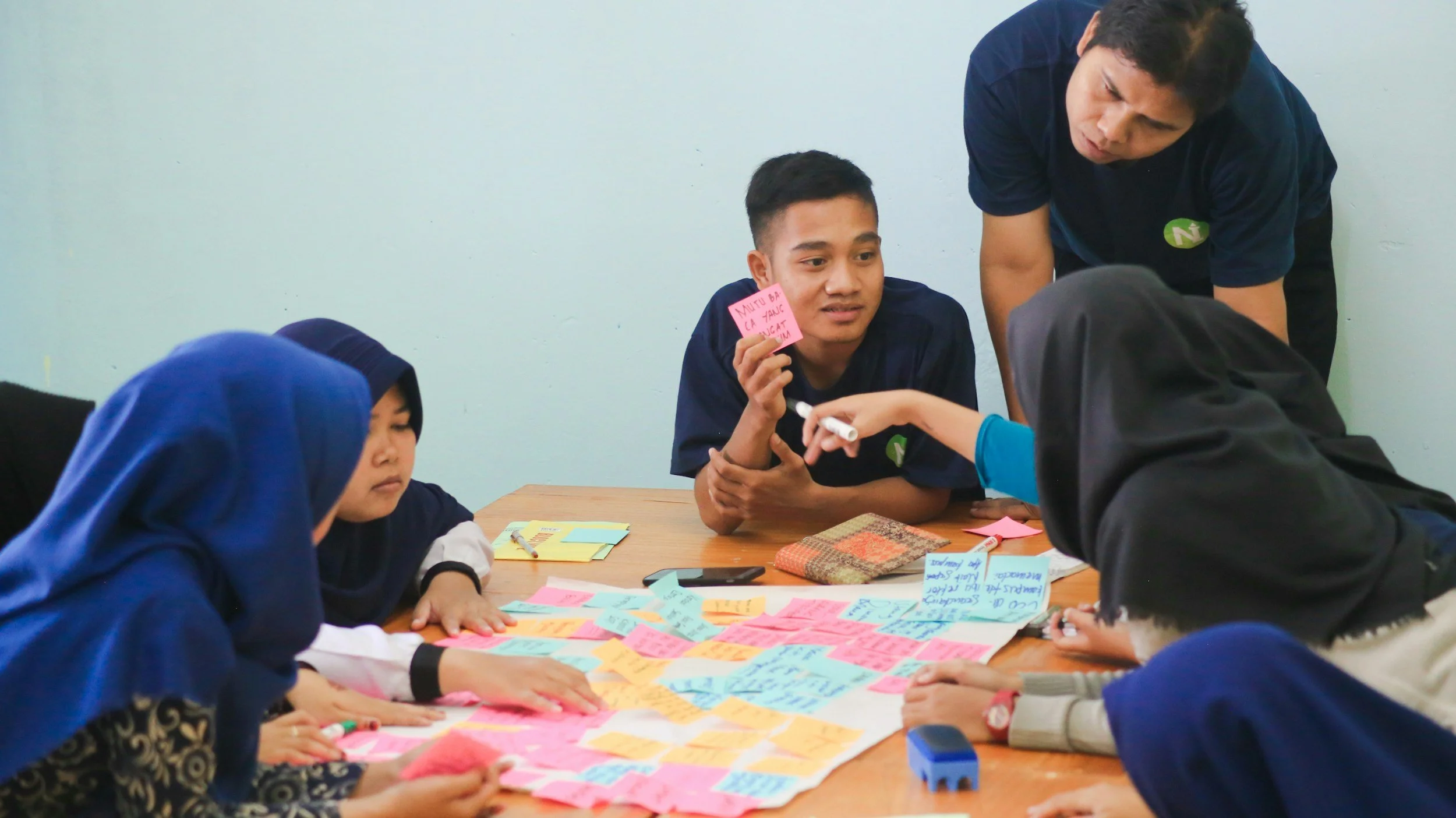
Multiple Means of Engagement
Learners would use this inclusive platform to promote collaboratively such as discussion boards, group project spaces, or peer feedback options. Learners can use features to help them self-regulate like goal-setting tools, track their progress and reminders to manage their learning independently. Educators can empower students by fostering agency as well as contributing meaningful and be motivated for learners to be actively involve in the digital process.
-
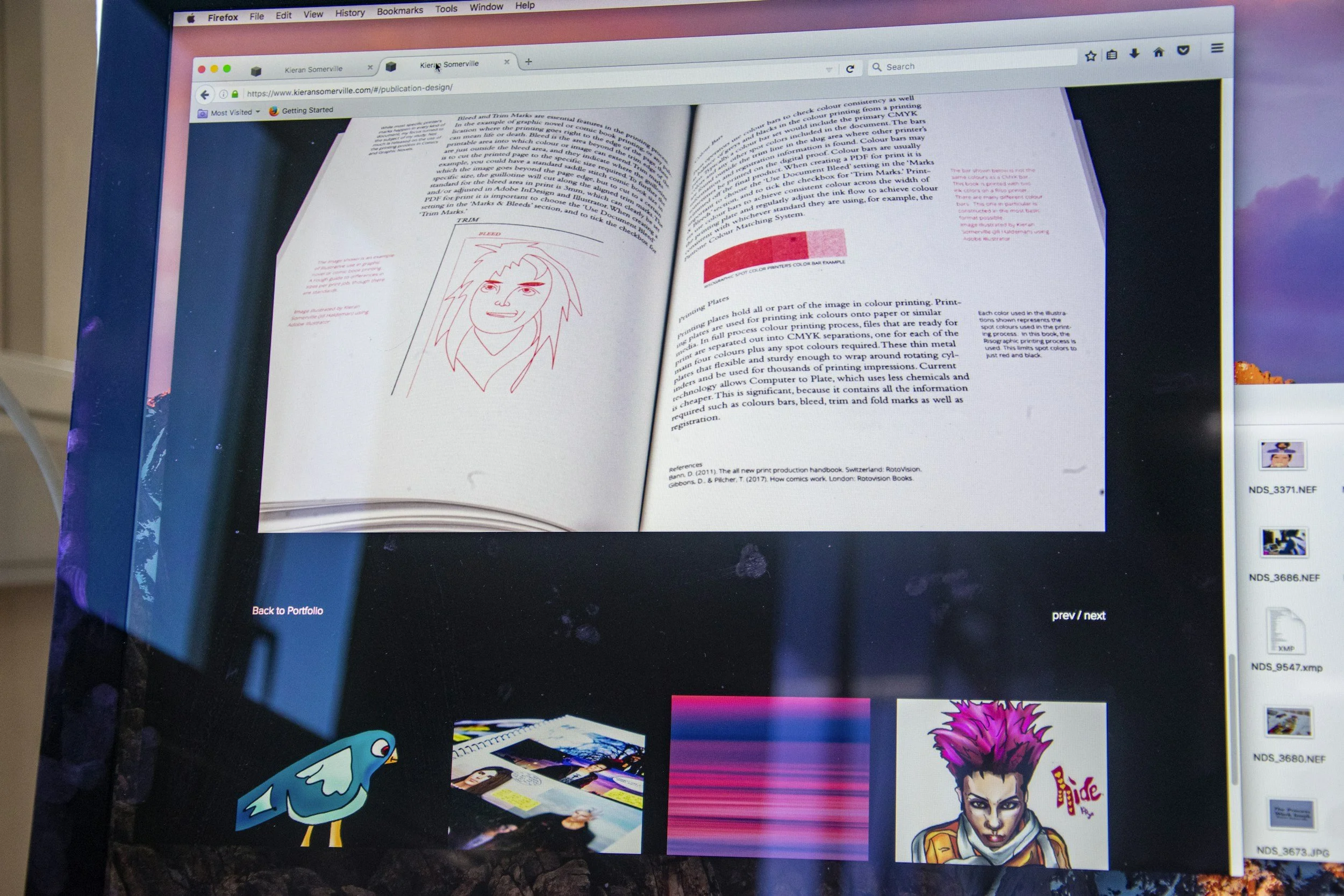
Multiple Means of Action & Expression
Learners can use this inclusive platform to express themselves on what they have learned or continuing to learn. Learners can hand in their work various formats such as written text, audio recordings, videos, presentations, and projects. Learners can express in other ways whether it is typing, drawing, speaking or recording they can choose their comfort that suits their abilities as well as appropiate technology tools for all students can participate. Therefore, educators can honor students’ strengths, needs and abilities to create an equitable and inclusive learning experience.