
Ethics, Access & Legal Considerations
Responsible E-learning means using online tools in a fair and respectful way. This part of the website explains the basic rules and good practices teachers should follow when teaching online. It covers things like keeping student information private, making sure learning is easy to access for everyone (including people with disabilities), using online materials the right way, and encouraging honesty in schoolwork. It also talks about important laws that protect students. By following these simple steps, teachers can help make online learning safe, fair, and welcoming for all students.
Responsible E-learning
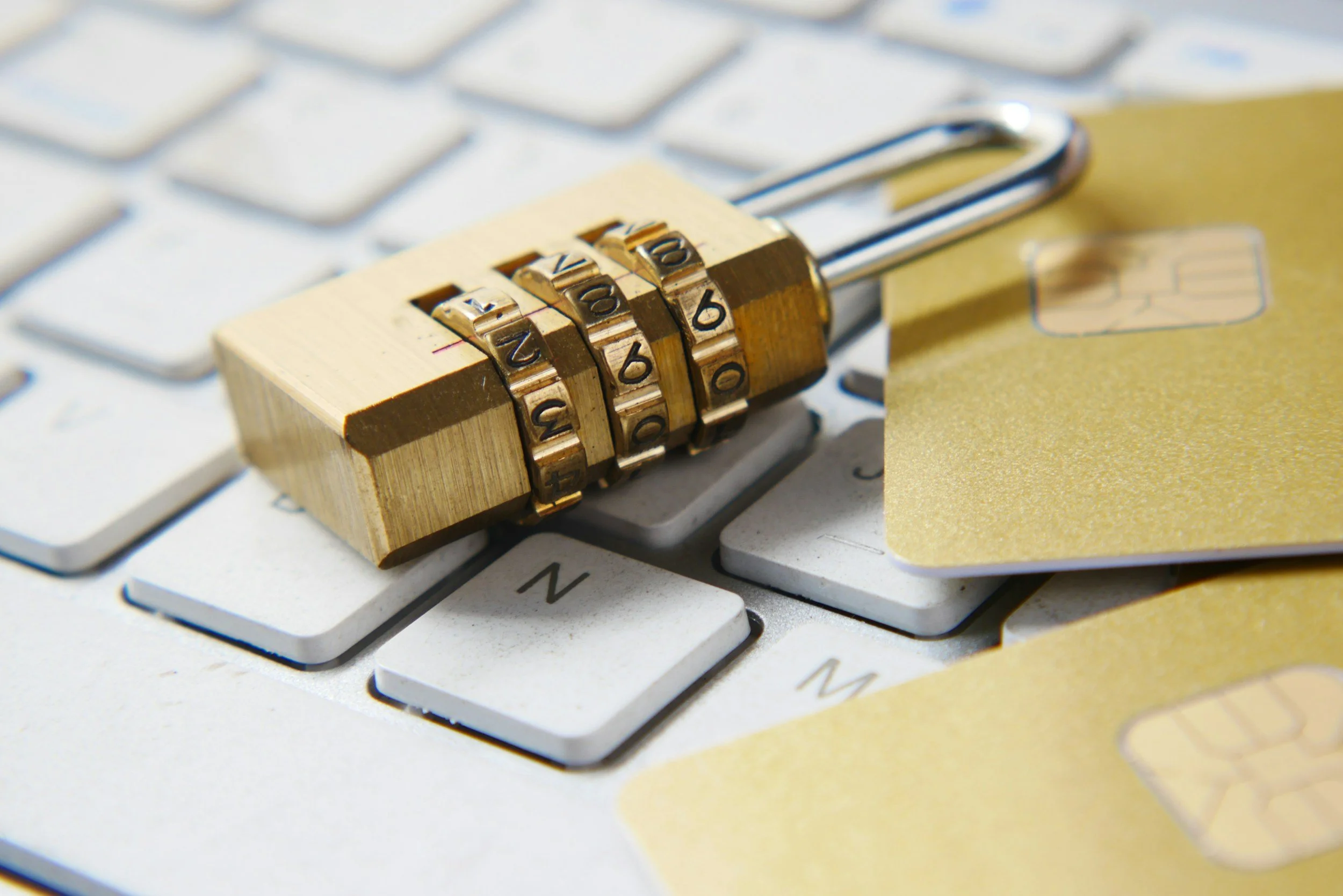
STUDENT DATA PRIVACY
As a society, we need to talk more about data privacy. People are becoming more aware of this issue from news, movies, and other media. They continue to say that everyone should help decide how personal data is used. Once society agrees, improved laws can be created and implemented. Schools and organizations should teach and follow privacy laws. In the article, Privacy and E-Learning: A Pending Task, Alier et al. (2021) say they need clear standards to protect privacy, even when working with outside companies. Lastly, it calls for better tech solutions. Many old systems make it hard to protect data. New ideas like data ‘depersonalization’ do not always work as effectively. These authors say that we need to be careful and thoughtful about how we fix the problem.
CONSENT FOR RECORDING
In the article, How do you solve a problem like consent? Luger et al. (2014) advises we must create systems that combine technical, legal, and ethical thinking, which includes putting the absolute control of consent into users' hands by designing consent into the system itself.
Educators should also take into consideration what the consent policies are on the platforms or tools they're selecting.

ACADEMIC DISHONESTY
Academic dishonesty (AD), like cheating, happens in both in person classrooms and online learning environments. In online learning, it can be more complicated and harder to monitor, which can make people question how fair it is. Some studies say cheating is more common online because students can easily find information and aren’t being monitored. The author suggests using tools like proctoring software to help make online testing more fair.
Researchers state that cheating isn’t something new-it’s the same kind of cheating just in a new format. In their 2022 article, Chiang and colleagues say that technology doesn’t cause cheating, it gives students new ways to do it. This author states that the cheating in both in person classrooms and online learning environments is about the same.
In the article, A systematic review of academic dishonesty in online learning environments, Chiang et al,. (2022) explores ways to understand and reduce cheating in online learning environments. It highlights how both personal choices and the environment can lead to dishonest behaviour. The results show students are more likely to cheat when rules and consequences aren’t clearly explained. Group cheating, like sharing answers or paying others for help, is increasing.
Various solutions included proctoring software, teaching students about academic dishonesty, and creating strong learning communities. The author states that relying only on technology has limitations and can lead to mistrust. Combining technology with good teaching and social support is effective.
DIGITAL ACCESSIBILTY LAWS
Many countries have laws that say websites and digital tools must be usable by people with disabilities. The United Nations Convention on the Rights of Persons with Disabilities asks countries to make sure technology can be used by everyone, including people who use sign language, Braille, or other ways to communicate. In America, The Department of Justice has been trying to create rules and laws for creating accessible online content. Larson (2020) states that The Web Content Accessibility Guidelines (WCAG) 2.0 and 2.1 provides guidelines on how to do just that.